Different Types Of Modern Slavery
Australian law recognises eight types of modern slavery: human trafficking, slavery, forced labour, forced marriage, servitude, debt bondage, deceptive recruiting for labour services and the worst forms of child labour. Each is a serious criminal offence, and each describes a different way one person controls another.
The distinctions matter because they are what a supplier questionnaire or an internal report usually gets wrong. Someone asked only about “forced labour” can answer honestly that they have none while debt bondage sits in their labour hire arrangements.
- Human trafficking is the movement of a person across or within borders for exploitation. It describes how someone arrives, not the conditions they end up in.
- Slavery is treating a person as property that can be used, bought, sold or traded.
- Forced labour is coercion that leaves a person feeling unable to stop working or leave the workplace.
- Servitude is that same coercion with the denial of other personal freedoms on top. It is the step beyond forced labour, and the pair most often blurred together.
- Debt bondage is work to repay an excessive debt the person may never clear. The debt can be genuine or invented.
- Deceptive recruiting turns on a lie told at the hiring stage, before any coercion begins.
- Forced marriage is marriage without free and full consent. No child under 16 can lawfully consent.
- The worst forms of child labour covers children in slavery-like conditions, in hazardous work, or exploited sexually or in illegal activity.
A person does not need to know which category applies to them in order to get help, and in practice the categories overlap. The Attorney-General’s Department sets out each type in plain language. Related material sits under human rights, and forced marriage in particular often surfaces through the same disclosures as family and domestic violence, which is why managers tend to hear about it first. Definitions and obligations change over time, so treat this as general information rather than legal advice.
Sentrient’s modern slavery course and the wider compliance training courses cover what staff need to recognise.
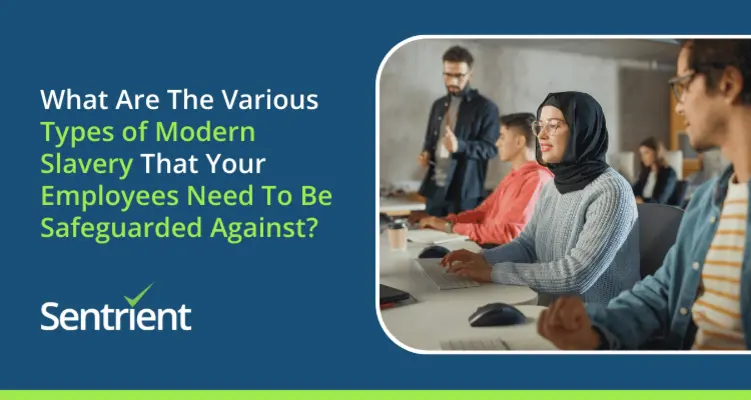
What Are The Various Types of Modern Slavery That Your Employees Need To Be Safeguarded Against
The presence of modern slavery in various industries reveals the flaws in our social structure and norms. Every person deserves to be treated respectfully and fairly. But social evils such as modern slavery reduce some humans to merely being used as a source of labour. These practices hinder social and economic progress and take our […]