Risk Management
Improve business safety and decision-making with a risk management system that helps you identify, assess, and control risks. Streamline reporting, strengthen compliance, and protect your organisation with smart, easy-to-use tools.

Top Riskware Alternatives For Australian Businesses
Quick Answer: Riskware is a well-established Australian-owned risk, audit, compliance and health and safety platform built for enterprise and government, but it is scoped and priced for that scale. For Australian businesses weighing up size, sector and what they actually need, the Riskware alternatives worth comparing are Sentrient, Skefto, Protecht, AssurePlus and around six others, […]

Top Protecht Alternatives For Australian Businesses
Quick Answer: Protecht is a respected Australian enterprise risk management platform, but Protecht ERM is built for deep, APRA-grade enterprise risk in banks, insurers and government, and it is scoped and priced for that scale. For Australian businesses weighing up size, sector and what they actually need, the Protecht alternatives worth comparing are Sentrient, AssurePlus, […]

ISO 31000 Explained: The Risk Management Standard And Its Australian Roots
Quick Answer: ISO 31000 is the international standard for risk management, published by ISO and used worldwide. It gives any organisation a common set of principles, a framework and a process for managing risk of any kind. It is guidance, not a certifiable requirement, so you align your risk management to it rather than get […]

Top Beakon Alternatives For Australian Businesses In 2026
Quick Answer: Beakon is a capable Australian WHS and safety platform built for high-risk field industries, with permits, contractor control and a built-in LMS, but its strength is site operations rather than compliance training and evidence. For Australian businesses weighing up the job, size and cost, the Beakon alternatives worth comparing are Sentrient, Safety Champion, […]

Continuous Risk Monitoring: Why Australian Businesses Can’t Afford Annual Assessments Anymore
Quick Answer: Continuous risk monitoring means watching your risks and controls between formal reviews, so that a change is detected when it happens rather than at the next assessment. It is not the same as continuous risk assessment, which re-rates the risk. Monitoring watches for the trigger. For Australian organisations it is also a legal […]
Risk Management Strategy: How To Develop One In 9 Steps
Quick Answer: An effective risk management strategy is the set of decisions that governs how your organisation handles risk: what you are protecting, what level of risk you will accept, who owns what, and which treatment you apply when something is rated. It is not the same as the risk management process, which is the […]
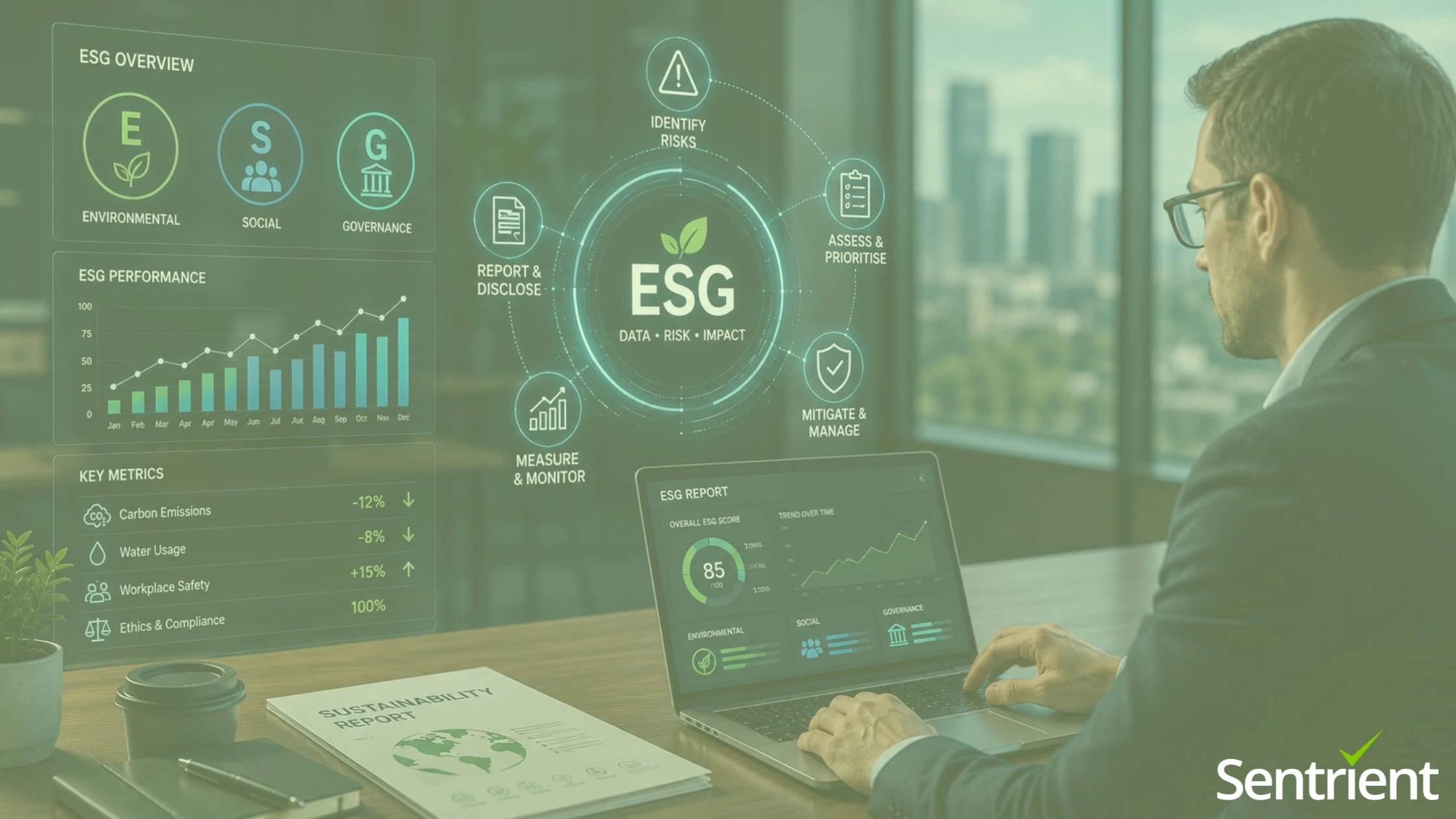
ESG Reporting: Why You Need A Digital Risk Management System
Quick Answer: ESG reporting in Australia is no longer voluntary for entities above the Corporations Act thresholds. Group 1 began reporting for financial years starting 1 January 2025, Group 2 from 1 July 2026 and Group 3 from 1 July 2027. The reports are subject to assurance, and ASIC has already secured $34.7 million in […]

Building A Risk-Aware Culture: The 6 Behaviours That Define It
Quick Answer: A risk-aware culture is one where people at every level notice risk, say something about it, and are answered. It is culture working as a control for every other risk you carry. It is not the same as a risk-averse culture, which avoids risk rather than understanding it, and it is not the […]

Cultural Risk Management: Embedding Risk Awareness Beyond Policies And Training
Quick Answer: Cultural risk management is the practice of treating culture as a source of risk in its own right, rather than only as a means of managing other risks. It covers conduct, misconduct, the normalisation of poor practice, incentives that quietly reward risk-taking, and silence. It is a board and leadership discipline, because the […]
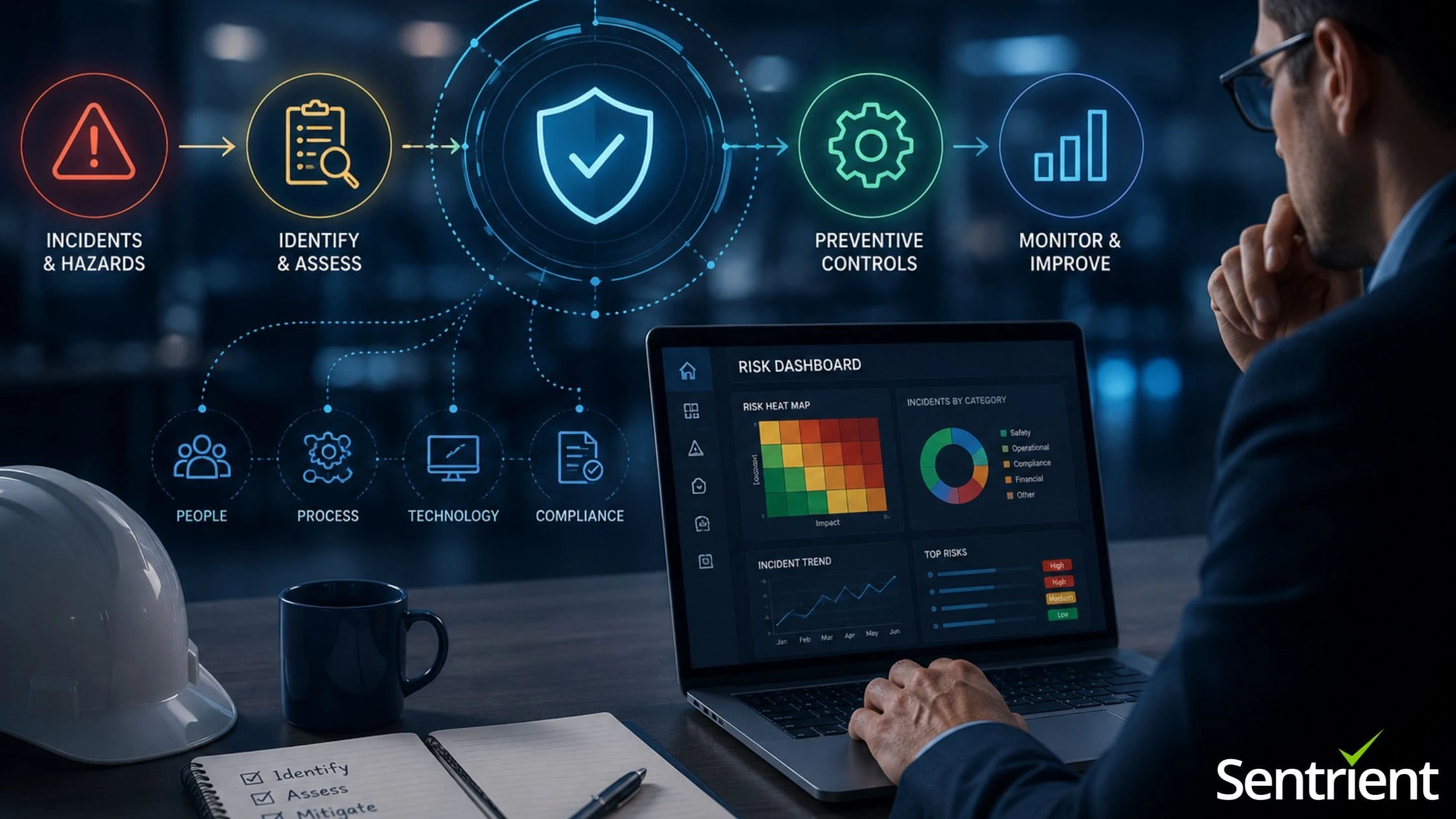
Integrated Risk Management: Turning Incidents And Hazards Into Preventive Controls
Quick Answer: Integrated risk management connects operational data, such as incidents, hazards and near misses, to the enterprise risk register so that a single event changes a control rather than closing a ticket. It differs from enterprise risk management, which describes the governance structure, and from governance, risk and compliance, which describes the operating disciplines. […]

Risk Management In Australia: 7 Regulatory Compliance Changes That Are Already In Force
Quick Answer: Most of the regulatory compliance changes Australian businesses were told to prepare for have already commenced. Mandatory climate reporting began for the largest entities on 1 January 2025 and extended to mid-sized entities on 1 July 2026. Intentional wage underpayment became a criminal offence on 1 January 2025. The right to disconnect reached […]
MOST POPULAR POSTS