Psychological Abuse In The Workplace
Psychological abuse in the workplace is repeated conduct directed at a person’s confidence and standing rather than at their body. It works by accumulation, and deniability is what keeps it running.
Persistent criticism, often in front of others. Being set up to fail with impossible deadlines or missing information. Responsibilities removed without explanation. Exclusion from decisions and conversations. Work undermined to colleagues. Things said and then denied.
Each incident has an innocent explanation available. An oversight, a busy week, a misunderstanding. That is not incidental to the conduct, it is the mechanism.
The effect is that the person begins doubting their own account, and by the time they raise it they cannot describe a single event serious enough to sound convincing. Australian law addresses this primarily as bullying and as a psychosocial hazard.
Safe Work Australia sets out the psychosocial duty. This is general information rather than legal advice, and obligations vary by state and territory.
See Sentrient’s workplace bullying course and psychological safety course.

How To Identify, Prevent, And Respond To Psychological Harassment In The Workplace
Quick Answer Psychological harassment in the workplace is behaviour, usually repeated, that harms a person’s mental wellbeing, dignity or sense of safety, such as intimidation, insults, exclusion or sabotage. To identify it, look for a pattern that goes beyond reasonable management action. Employers must prevent it as a psychosocial hazard under WHS laws. If it […]
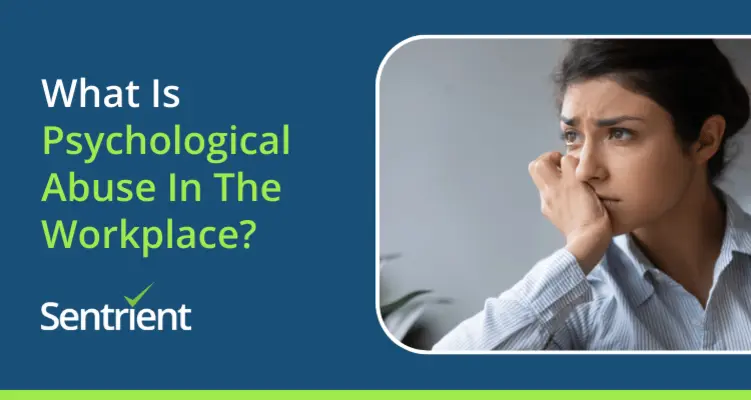
What Is Psychological Abuse In The Workplace?
Quick Answer Psychological abuse in the workplace, sometimes called emotional abuse at work, is behaviour that harms a worker’s mental health, dignity or sense of safety. Common examples are humiliation, intimidation, gaslighting, deliberate exclusion and sabotage. In Australia it is usually dealt with as bullying, harassment or a psychosocial hazard, and employers must manage it […]
MOST POPULAR POSTS