
Preventing Phishing Attacks
Preventing phishing attacks entirely is not a realistic goal. Enough messages arrive, and enough of them are good, that somebody eventually clicks.
The useful question is what happens next, and the answer is mostly technical.
Multi-factor authentication is the single largest control, because a captured password on its own stops being enough. Blocking or clearly marking external mail helps people spot impersonation. A verification step for payment or bank detail changes, using a known phone number rather than details in the email, stops the most expensive category outright.
Awareness training still matters, and it works considerably better as the second layer rather than the first. Controls that do not depend on anyone being alert on a bad day are what keep a click from becoming an incident.
The Australian Cyber Security Centre publishes control guidance. This is general information rather than legal advice, and obligations vary by state and territory.
See Sentrient’s cyber security training course and cyber security policy template.
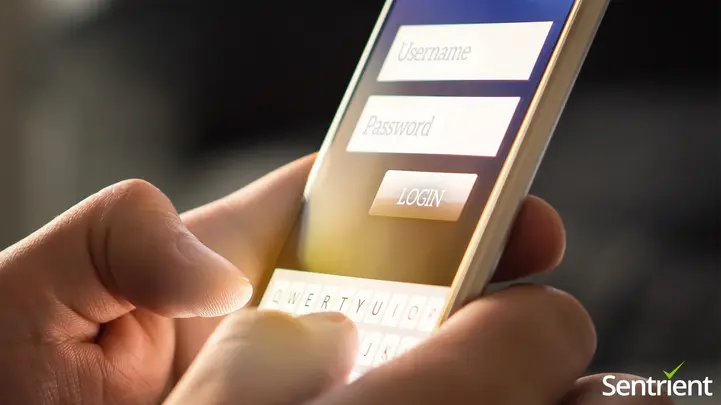
Understanding And Preventing Phishing Scams
Phishing scams are a type of cyber-attack where a cybercriminal attempts to trick a victim into providing sensitive information, such as login credentials or financial information, by posing as a reputable entity. These scams can take many forms, including email, text messages, and social media, and they are becoming increasingly sophisticated and challenging to detect. […]
MOST POPULAR POSTS