
Australia Right To Disconnect Rules
The Australia right to disconnect rules do not give a simple yes or no. Whether a refusal is unreasonable depends on factors that must be considered together.
- The reason for the contact.
- How the contact is made and how disruptive it is to the employee.
- How much the employee is compensated or paid extra for being available during that period, or for working additional hours.
- The employee’s role in the business and level of responsibility.
- The employee’s personal circumstances, including family or caring responsibilities.
Other matters may also be considered, so the list is a floor rather than a ceiling.
One rule is firm. It will be unreasonable for an employee to refuse to read, monitor or respond where the contact is required by law.
The Fair Work Ombudsman sets out these factors. This is general information rather than legal advice, and obligations vary by state and territory.
See Sentrient’s right to disconnect webinar and policy management software.
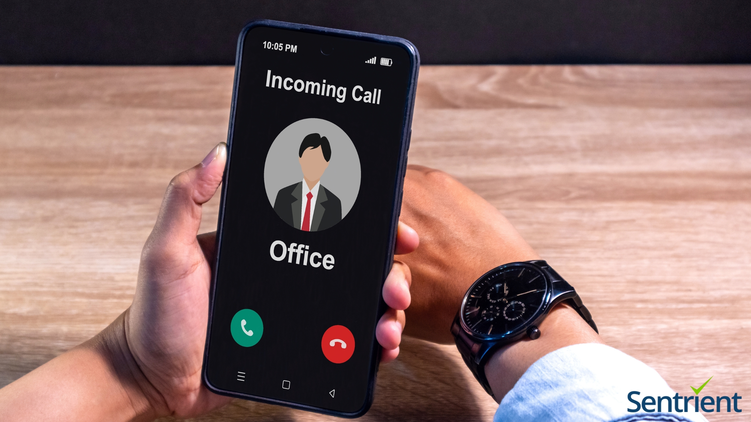
Australia’s Right to Disconnect: Understanding the ‘Reasonable’ Standard (It’s Not a Total Ban)
Quick Answer: The right to disconnect gives Australian employees the right to refuse to monitor, read or respond to work contact outside their working hours, unless that refusal is unreasonable. It applies to contact from the employer and from third parties such as clients. It began for larger businesses on 26 August 2024 and for […]
MOST POPULAR POSTS