
Chain Of Responsibility Training
Chain of responsibility training is most often assigned to drivers, and drivers are the one group the law was written to look past. The National Heavy Vehicle Regulator puts it plainly. Chain of responsibility laws make parties other than drivers responsible for the safety of heavy vehicles on the road.
That reaches a long way into an ordinary business. The duty can attach to consignors and consignees, packers and loaders, schedulers, operators and prime contractors. Most of those roles sit in an office and never go near a truck.
Two consequences follow for training.
- Scope it by decision, not by job title. Anyone who sets a delivery window, plans a route, loads or secures freight, or accepts a booking is making a decision that can affect heavy vehicle safety.
- Include the executive layer. Executives carry a separate due diligence duty, and it is not discharged by delegating transport to an operations manager.
The National Heavy Vehicle Regulator publishes guidance on the primary duty and executive due diligence. This is general information rather than legal advice, and the law applying to your operations depends on where you operate.
See Sentrient’s chain of responsibility training course, work health and safety course and workplace compliance courses.
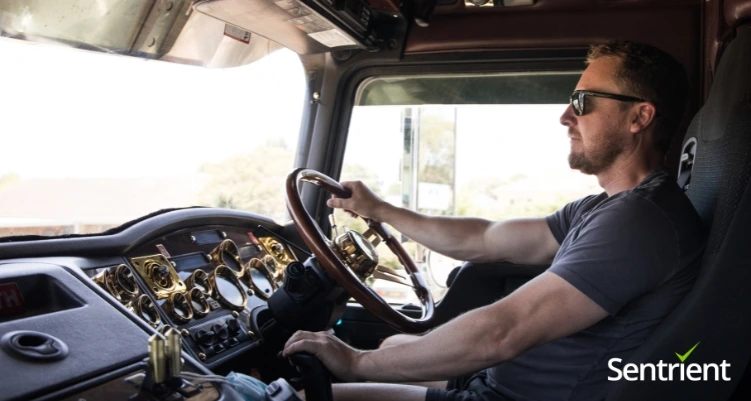
New Online Chain of Responsibility Training Course Now Available
We’re excited to announce the launch of our brand-new Online Chain of Responsibility Training Course, now available for employees, contractors, and volunteers. This comprehensive, legally compliant course is designed to help organisations meet Australia’s Heavy Vehicle National Law (HVNL) requirements. It has been updated to reflect the latest legislation across all Australian states and territories. […]
MOST POPULAR POSTS