Effective Communication Skills For Conflict Resolution
The list of effective communication skills for conflict resolution is shorter than most training suggests. Four things do most of the work.
- Describing behaviour, not character. What was said or done, and when. Not what it revealed about them.
- Stating the effect. The consequence for the work or for you. This is the part that carries the weight.
- Asking a real question. One you do not already know the answer to, which changes what happens next.
- Making a specific request. A general complaint cannot be agreed to.
Two pieces of standard advice do far less than promised. Mirroring body language, which people notice and quietly distrust. And the feedback sandwich, where a criticism is buried between two compliments, which mostly obscures the message and leaves the other person unsure what was actually being asked.
Safe Work Australia covers the psychosocial duty. This is general information rather than legal advice.
See Sentrient’s conflict resolution course and respect at work training.
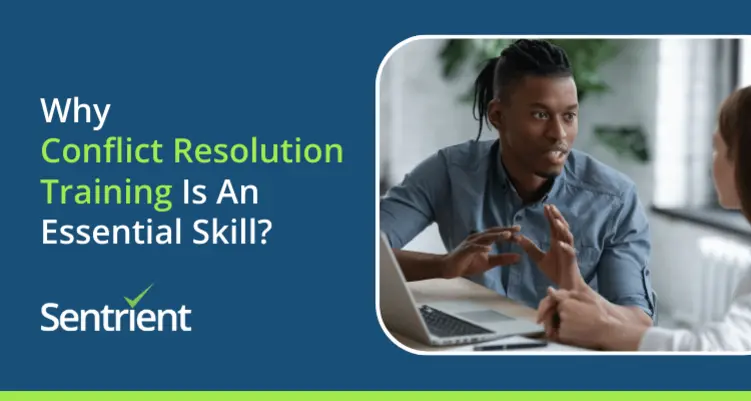
Why Conflict Resolution Training Is An Essential Skill
Quick Answer Conflict resolution training gives people the skills to handle disagreements early and respectfully, before they damage relationships, productivity or wellbeing. That is why conflict resolution training is important for every workplace. It builds listening, communication and problem-solving skills, helps managers step in at the right time, and supports employers to manage conflict as […]
MOST POPULAR POSTS