
How Can Organisations Effectively Prevent Sexual Harassment
How can organisations effectively prevent sexual harassment? The shift that matters is from writing a policy to managing a risk.
Risk management means identifying where the exposure actually sits in your organisation. Isolated work. Night shifts. Alcohol at work events. Large power differences. Customer facing roles where the harasser is not an employee at all. Young or insecure workforces. Those factors differ by business, and generic controls do not touch them.
Then it means controls proportionate to what you found, somebody accountable for each of them, and a way of checking whether they actually work rather than assuming they do.
The Commission publishes guiding principles and standards for satisfying the positive duty, and that guidance is the closest thing to a checklist available on this subject.
The Australian Human Rights Commission publishes that guidance. This is general information rather than legal advice, and obligations vary by state and territory.
See Sentrient’s risk management system and sexual harassment course.
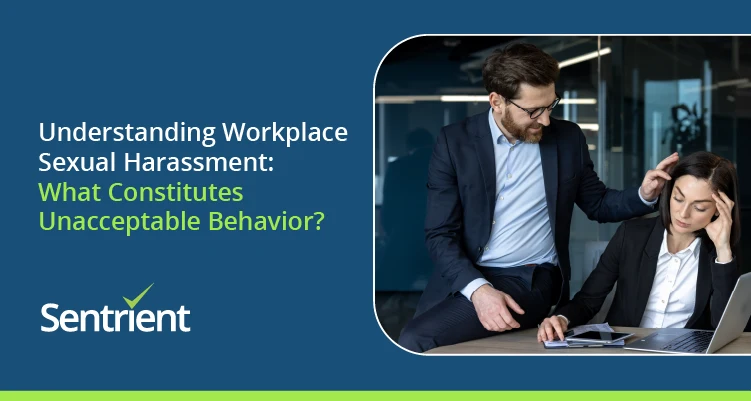
Understanding Workplace Sexual Harassment: What Constitutes Unacceptable Behaviour?
Workplace sexual harassment continues to be a significant challenge for Australian organisations despite increased awareness and stronger legislation. Many employees experience inappropriate behaviour that goes unaddressed – either because they don’t recognise what constitutes harassment or because workplace culture discourages reporting. This comprehensive guide unpacks what sexual harassment looks like in Australian workplaces, the legal […]
MOST POPULAR POSTS