
How Can We Prevent Modern Slavery
The honest answer to how we can prevent modern slavery is that no single organisation does it alone. A mid-size Australian buyer has very little leverage over a farm or factory several tiers below its direct supplier. What does work is joining effort that already exists rather than starting a programme from scratch, and the first practical step is to check what has already been assessed in your sector.
Under the Commonwealth Modern Slavery Act 2018, reporting entities must describe the risks in their operations and supply chains and what they have done about them. It is a transparency law, so the credibility of a statement rests on the quality of the work behind it. Collective work counts, and for most organisations it is the only work that will reach far enough to matter.
Four things that genuinely move:
- Look for an existing sector assessment before commissioning your own. Independent scorecards and sector reports already cover cocoa, cotton, seafood and tea, and they are free to read.
- Ask your questions alongside other buyers. One customer sending a questionnaire gets a form response. The same question from an industry group or a shared initiative gets a meeting.
- Make the route for raising a concern reach people who are not on your payroll, including contractors, labour hire crews and cleaners, and make sure it does not run through their direct supervisor.
- Let what you buy carry the message. Moving a category to a supplier with a better independent rating says more than a policy statement does.
The Australian not-for-profit Be Slavery Free puts it plainly, that no one person, tool or organisation will end modern slavery but together it can be done, and it aligns its work to Sustainable Development Goal 8.7 on eradicating forced labour and the worst forms of child labour. It is a coalition rather than a regulator, so treat that as its position rather than a legal requirement. Obligations differ by sector and change over time, so this is general information and not legal advice.
Related reading sits under sustainable development goals and human rights. Sentrient’s modern slavery course and wider compliance training courses cover the awareness half of the work.
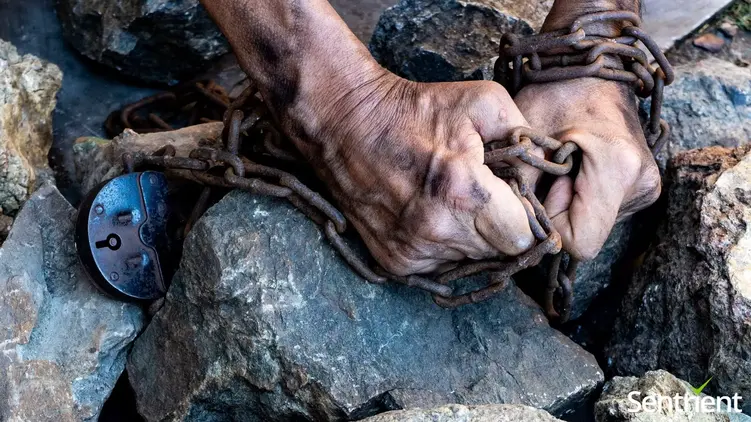
5 Robust Ways To Tackle Modern Slavery
With approximately 40 million people working in conditions considered modern slavery all over the world, it’s not uncommon behaviour in economies today. The exploitation of human freedom and fundamental rights is more prevalent in industries that directly include manual labour. If you deploy an effective program to help your employees identify such incidents in your […]
MOST POPULAR POSTS