
How is Sexual Harassment Defined in Different Work Settings
How is sexual harassment defined in different work settings? The legal test itself is the same everywhere. What varies is how far the protections reach.
The protections are not limited to employees. Contractors, labour hire workers, work experience students, volunteers and job applicants can all be covered, and so can conduct by customers, clients, patients and other third parties.
The setting is not limited to a workplace either. A conference, a work function, a client site, a vehicle, a shared house on a remote job or an online team channel can all be connected to work.
What this means in practice is that a policy written only for employees behaving badly in an office covers a modest fraction of the risk an organisation actually carries.
The Australian Human Rights Commission publishes guidance on coverage. This is general information rather than legal advice, and obligations vary by state and territory.
See Sentrient’s sexual harassment course and HR policy templates.
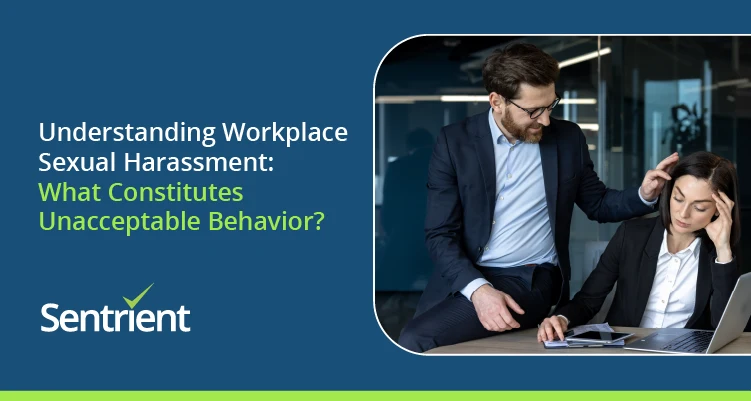
Understanding Workplace Sexual Harassment: What Constitutes Unacceptable Behaviour?
Workplace sexual harassment continues to be a significant challenge for Australian organisations despite increased awareness and stronger legislation. Many employees experience inappropriate behaviour that goes unaddressed – either because they don’t recognise what constitutes harassment or because workplace culture discourages reporting. This comprehensive guide unpacks what sexual harassment looks like in Australian workplaces, the legal […]
MOST POPULAR POSTS