
How Should Employees Respond to Sexual Harassment
How should employees respond to sexual harassment? Guidance often opens with telling the person to stop, which assumes a safety and a power balance that frequently does not exist.
The realistic set of options is wider. Writing down what happened, with dates, while it is fresh. Telling one person you trust, which is often the step that makes anything else possible. Raising it with a manager, HR, or a contact person if the organisation has one. Getting external advice, including from a union or a community legal service. Making a complaint to a regulator or a tribunal.
Doing nothing for a while is also a legitimate choice, and it does not forfeit everything, although time limits do apply and are worth checking early.
The Australian Human Rights Commission explains the options. This is general information rather than legal advice, and obligations vary by state and territory.
See Sentrient’s sexual harassment course and incident reporting software.
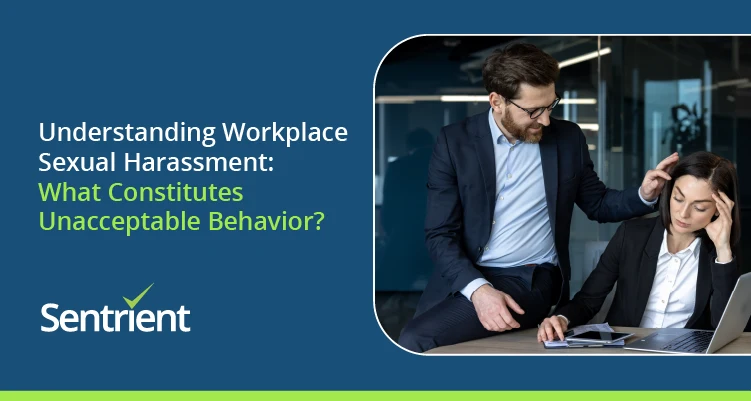
Understanding Workplace Sexual Harassment: What Constitutes Unacceptable Behaviour?
Workplace sexual harassment continues to be a significant challenge for Australian organisations despite increased awareness and stronger legislation. Many employees experience inappropriate behaviour that goes unaddressed – either because they don’t recognise what constitutes harassment or because workplace culture discourages reporting. This comprehensive guide unpacks what sexual harassment looks like in Australian workplaces, the legal […]
MOST POPULAR POSTS