
How To Tackle Modern Slavery
The practical way to tackle modern slavery is to make it possible for someone to tell you. Audits are announced and questionnaires are answered by the wrong people, but a worker, contractor or supplier’s employee who can raise a concern without risking their job is the one source that reaches inside arrangements you cannot see.
Australian law already supports this further than most organisations realise. Under Part 9.4AAA of the Corporations Act 2001, an eligible whistleblower is not only a current or former employee. It includes officers, associates, and a person or an employee of a person who has supplied goods or services to the company, paid or unpaid, which covers contractors and volunteers. Their spouses, relatives and dependants are covered too. The subject can be misconduct or an improper state of affairs, which is broader than a proven breach of law.
Four things worth doing:
- Open the route past your own payroll. Publish it where labour hire crews, cleaners and suppliers’ staff will actually see it, not only on the staff intranet.
- Allow anonymous reports and say so in writing. The protections still apply when someone does not give their name, and that is often the only way a person on a temporary visa will come forward.
- Name who receives disclosures. The law protects reports made to a director, company secretary, senior manager, an authorised recipient, or ASIC, so a report to the wrong person may not carry the same protection.
- Test the route from the outside. Try it with no company email address, no fluent English and no manager in the loop, and fix what breaks.
Confidentiality is enforceable here. It is an offence to reveal a whistleblower’s identity outside limited circumstances, and causing or threatening detriment carries criminal and civil penalties. Note the limits as well. The regime applies to companies and certain other bodies, and a purely personal work-related grievance is generally not covered. ASIC’s Information Sheet 238 sets out who qualifies and when the protections do not apply. Obligations differ by entity type and change over time, so treat this as general information rather than legal advice.
Supporting work sits in policy management and incident reporting, and Sentrient runs a whistleblower course and a modern slavery course.
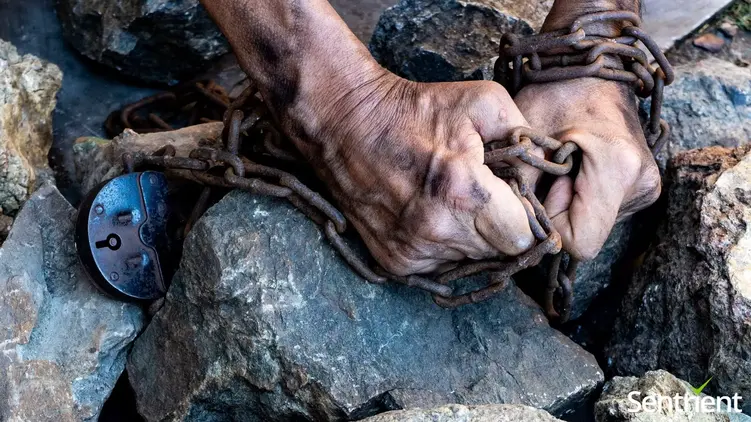
5 Robust Ways To Tackle Modern Slavery
With approximately 40 million people working in conditions considered modern slavery all over the world, it’s not uncommon behaviour in economies today. The exploitation of human freedom and fundamental rights is more prevalent in industries that directly include manual labour. If you deploy an effective program to help your employees identify such incidents in your […]
MOST POPULAR POSTS