
Right To Disconnect Australia Examples
Right to disconnect Australia examples are usually drawn from office work, which is the setting where the question is easiest and least common.
On-call rosters. Where someone is rostered and compensated to be available, refusing contact during that period is a different proposition from refusing on an ordinary evening.
Client-facing professional work. Deadlines set by others, and seniority, both weigh on the reasonableness question.
Shift and operational work. Roster changes and shift fill requests are the usual after-hours contact, and awards often deal with them directly.
Care and emergency settings. Where contact is required by law, refusal will be unreasonable.
The applicable award matters in every one of these situations, since the Commission added a right to disconnect term to all modern awards, and those terms can require contact to be answered.
The Fair Work Ombudsman publishes the detail. This is general information rather than legal advice, and obligations vary by state and territory.
See Sentrient’s right to disconnect webinar and compliance training courses.
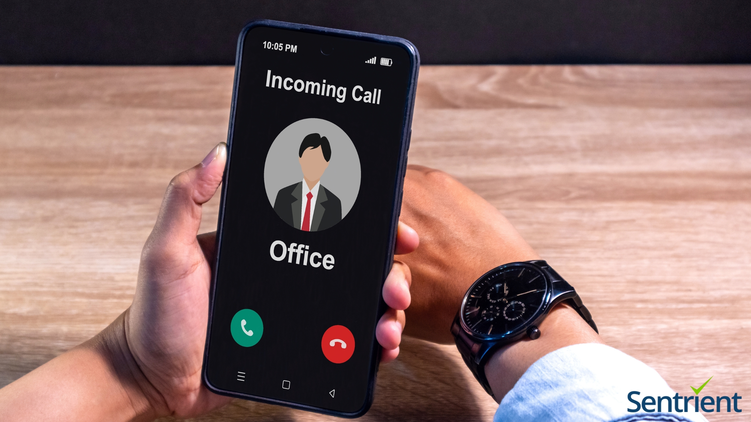
Australia’s Right to Disconnect: Understanding the ‘Reasonable’ Standard (It’s Not a Total Ban)
Quick Answer: The right to disconnect gives Australian employees the right to refuse to monitor, read or respond to work contact outside their working hours, unless that refusal is unreasonable. It applies to contact from the employer and from third parties such as clients. It began for larger businesses on 26 August 2024 and for […]
MOST POPULAR POSTS