
Right To Disconnect Best Practice
Right to disconnect best practice is less about drafting than timing. The useful conversation happens before out-of-hours contact occurs, not after somebody objects.
That conversation covers when the person may be contacted and what they are expected to do about it, what pay or conditions apply to that availability, which channel to use for something genuinely urgent, and how the arrangement gets reviewed if their hours or circumstances change.
Recording it in writing matters, because the reasonableness question turns partly on what the employee was told and what they are compensated for. An arrangement nobody wrote down is one both sides remember differently.
Reviewing the arrangement when hours change is the step most often skipped, and flexible work arrangements change somebody’s hours regularly.
The Fair Work Ombudsman publishes tips for these discussions. This is general information rather than legal advice, and obligations vary by state and territory.
See Sentrient’s right to disconnect webinar and policy management software.
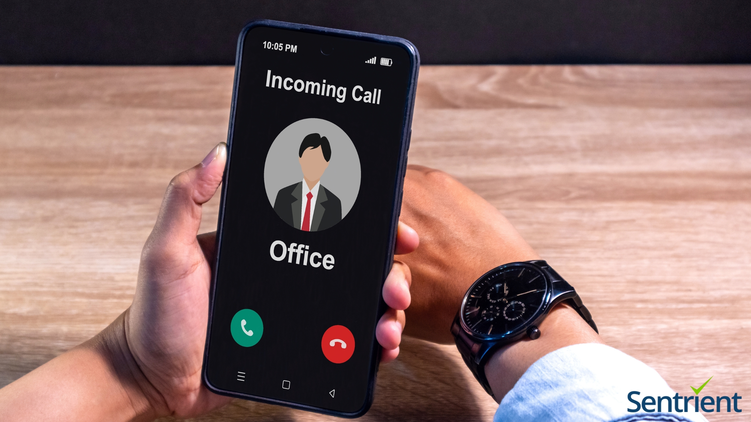
Australia’s Right to Disconnect: Understanding the ‘Reasonable’ Standard (It’s Not a Total Ban)
Quick Answer: The right to disconnect gives Australian employees the right to refuse to monitor, read or respond to work contact outside their working hours, unless that refusal is unreasonable. It applies to contact from the employer and from third parties such as clients. It began for larger businesses on 26 August 2024 and for […]
MOST POPULAR POSTS