
Right To Disconnect Case Studies
Right to disconnect case studies are still limited, since the provisions are recent. The process, though, is set out clearly.
A dispute should first be discussed at the workplace level. Most matters are expected to end there, and escalating without having attempted that step is the wrong order.
If that does not resolve it, either the employee or the employer can take the dispute to the Fair Work Commission. The Commission can make orders, or it can deal with the matter in other ways.
The orders run both ways. The Commission can make orders to stop an employee from refusing contact, and orders to stop an employer from taking certain actions. Employers who assume the mechanism only ever runs against them have it backwards.
The Fair Work Commission publishes the dispute process. This is general information rather than legal advice, and obligations vary by state and territory.
See Sentrient’s right to disconnect webinar and HR management system.
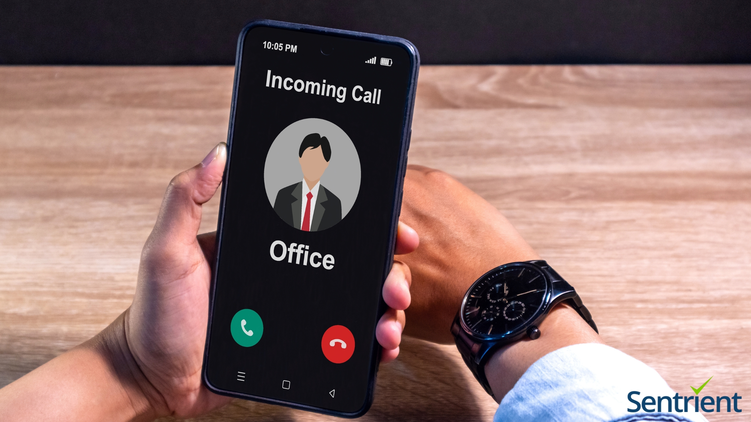
Australia’s Right to Disconnect: Understanding the ‘Reasonable’ Standard (It’s Not a Total Ban)
Quick Answer: The right to disconnect gives Australian employees the right to refuse to monitor, read or respond to work contact outside their working hours, unless that refusal is unreasonable. It applies to contact from the employer and from third parties such as clients. It began for larger businesses on 26 August 2024 and for […]
MOST POPULAR POSTS