Right To Disconnect Examples
Right to disconnect examples get quoted as though the answer sits in the message itself. It does not. The same contact changes character depending on the role and the circumstances.
Likely reasonable to refuse. A non-urgent request emailed at 9pm to someone on a standard salary with no on-call arrangement, where another person could handle it the next morning, and the employee has caring responsibilities that evening.
Likely unreasonable to refuse. The same message to a senior employee receiving extra pay for a period of acting responsibility, where they were told out-of-hours contact would be required, and a client deadline falls the next morning.
Nothing about the email itself changed between those two situations. Compensation, level of responsibility, urgency and personal circumstances all did, and those are the things being weighed.
The Fair Work Ombudsman publishes worked examples. This is general information rather than legal advice, and obligations vary by state and territory.
See Sentrient’s right to disconnect webinar and HR policy templates.
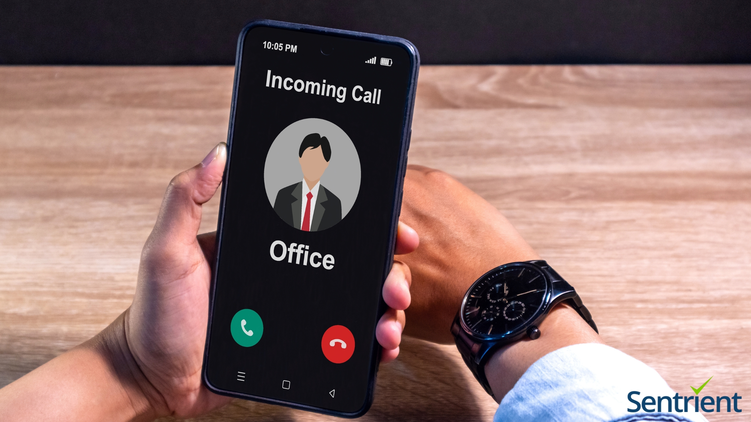
Australia’s Right to Disconnect: Understanding the ‘Reasonable’ Standard (It’s Not a Total Ban)
Quick Answer: The right to disconnect gives Australian employees the right to refuse to monitor, read or respond to work contact outside their working hours, unless that refusal is unreasonable. It applies to contact from the employer and from third parties such as clients. It began for larger businesses on 26 August 2024 and for […]
MOST POPULAR POSTS