
Sexual Harassment
Australian sexual harassment law has moved from a complaints model to a prevention model, and the shift matters more than most policy updates.
The old position. An employer’s obligation was largely reactive. Have a policy, investigate complaints, act on findings. Doing nothing was defensible until something was reported.
The current position. The positive duty under the Sex Discrimination Act requires employers to take reasonable and proportionate measures to eliminate the conduct so far as possible. The obligation exists whether or not anyone has complained, and the Commission has powers to assess compliance.
Practically, that means an organisation with no reported incidents is not automatically compliant. What is assessed is what you did to prevent the conduct, and whether it was proportionate to your risk. Silence in the complaints log is not evidence of anything on its own.
The Australian Human Rights Commission sets out the duty and its seven standards. This is general information rather than legal advice.
See Sentrient’s sexual harassment course and course for managers.

Step #5 Ensure That Employees Understand How To Identify, Report And Resolve Workplace Incidents
There is a common theme across this workplace compliance series the best organisations have a robust workplace compliance system in place. One that educates their staff and delivers policies and procedures to help people know what to do if there is a fair work, privacy or health and safety incident in the workplace. Education is […]

Step #4 Respect the Your Honour Test
It is 9.30 am on a Monday morning. Your Human Resource Manager comes into your office with a concerned look on her face. There’s been a report of misconduct at your Christmas Party from last Friday night. The misconduct was of a sexual nature, and word has spread. As a CEO, it’s definitely not the […]
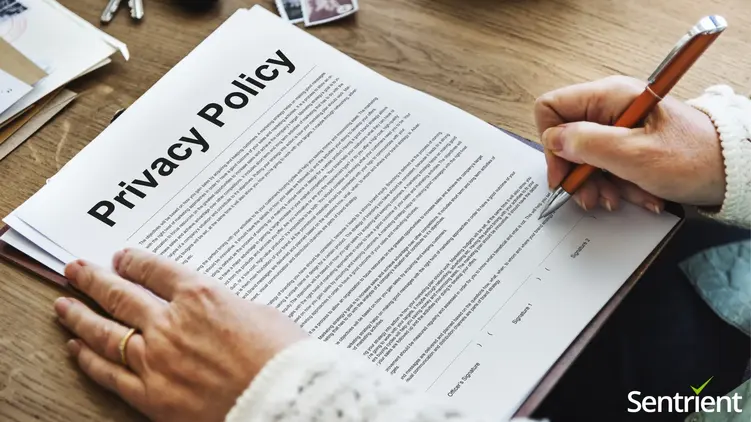
Step #3 Have The Right Training And Policies In Place To Safeguard Against Successful Claims Of Legal Liability
Regardless of your leadership credentials, employee engagement scores or long-standing reputation of your business, breaches in safety, invasion of privacy and workplace incidents such as bullying, harassment and discrimination can happen. In fact, in today’s business environment, it is no longer a case of if but when. However, an incident such as bullying, harassment, or […]

Step #2 – Understand That The Law Does Not Discriminate Based On Size, Type Or Location Of Your Business
In the Australian business environment, there are still far too many businesses that either do not understand their legal obligations or choose not to meet them when it comes to the provision of compliance training and having suitable workplace policies and procedures in place for things such as bullying, harassment and discrimination. To give you […]

Recognise The Risk of Compliance
Legacy workplace compliance regimes have tended to deal with risk mitigation from a ‘risk versus cost’ perspective. This has resulted in much time and money being directed at work health and safety from a physical risk perspective. This common sense approach has resulted in safety being regarded as one of the most important considerations in business. […]

Mistake #5 Most Businesses Do Not Have Processes For Reporting Workplace Incidents
Workplace compliance goes well beyond just training your staff. Many organisations make an effort to educate their people on things such as health and safety, privacy, bullying, sexual harassment, and discrimination. However, most do not back it up with appropriate workplace policies and procedures to guide their people in the event of a workplace incident. This […]

Mistake #3 – Most Businesses Are Not Informed Of What Is The ‘Right Protection’
Guidance around workplace compliance will vary depending on what industry you are in and who you go to for advice. It can be anything from ‘too light’ (in other words, you’re exposed, and the impacts will cause you pain) to ‘too heavy’ (in other words, you’re not exposed, but now you are swimming in too […]

Mistake #2 – Most businesses think that it won’t happen to me
In life and in business, we are often blindsided by ignorantly thinking that it won’t happen to me. Unfortunately, in today’s business environment, it is no longer a case of ‘if’ it will happen, but rather ‘when’ it will happen. And ‘when’ it happens, if your organisation does not have the right workplace training, policies […]

Mistake #1 – Most businesses underestimate the impact of a ‘worst case scenario’
So let’s start with a person you’ve probably heard a few of your work colleagues mumble about. After a ‘worst case scenario’ has played out. Yes, that’s right. We’re talking about Murphy’s Law, which has become somewhat of a cliche when it comes to risk mitigation or conversations around ‘worst case scenarios’ in life and in the […]
MOST POPULAR POSTS