Understanding The Right To Disconnect
Understanding the right to disconnect means first correcting the version most people heard, which is that employers can no longer contact staff outside working hours.
That is not what the provisions do. An employer can still make contact. The right belongs to the employee, and it is a right to refuse to monitor, read or respond, unless that refusal is unreasonable.
The difference matters in practice. Sending a message at 8pm is not a breach. Requiring an answer, or treating someone badly for not giving one, is where the problem sits.
The second misreading is that it applies to everyone identically. It does not, because role, level of responsibility, compensation for availability and the applicable award all feed into what counts as reasonable.
The Fair Work Ombudsman sets out how it works. This is general information rather than legal advice, and obligations vary by state and territory.
See Sentrient’s right to disconnect webinar and compliance training courses.
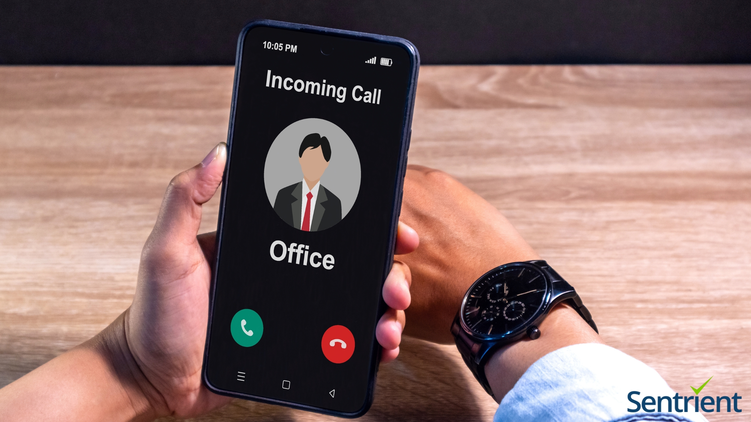
Australia’s Right to Disconnect: Understanding the ‘Reasonable’ Standard (It’s Not a Total Ban)
Quick Answer: The right to disconnect gives Australian employees the right to refuse to monitor, read or respond to work contact outside their working hours, unless that refusal is unreasonable. It applies to contact from the employer and from third parties such as clients. It began for larger businesses on 26 August 2024 and for […]
MOST POPULAR POSTS