
Unwelcome Sexual Conduct
Unwelcome sexual conduct is the first element of the legal test, and it is the one most often misread. Unwelcome means the person did not want it. It does not mean the person said so.
The distinction matters because the most common defence is that nobody objected. People do not object for reasons that are easy to understand once named. The other person may be a manager, or hold their shifts, their visa or their next contract. Objecting marks you out. Laughing along is often the least costly response available in the moment.
So silence, a nervous laugh, or continued friendly contact afterwards do not establish that conduct was welcome. Nor does a history of the person participating in similar banter.
The Australian Human Rights Commission sets out the elements and the employer duty. This is general information rather than legal advice.
See Sentrient’s sexual harassment course and respect at work training.
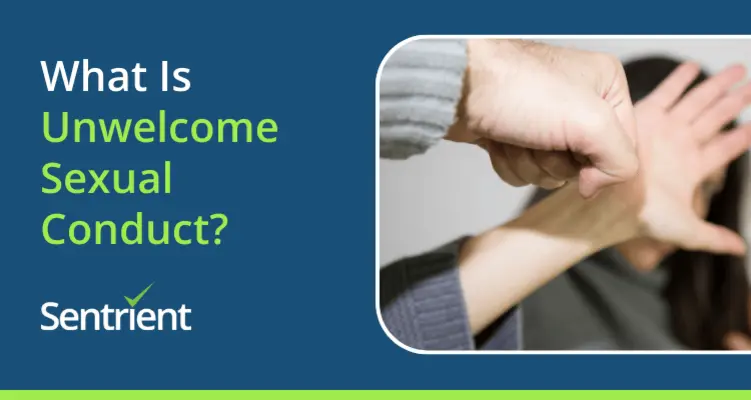
What Is Unwelcome Sexual Conduct?
Unwelcome sexual conduct refers to any unwanted or uninvited sexual behaviour that makes someone feel uncomfortable or unsafe. This can include a wide range of behaviours, from verbal comments to physical touch, and can occur in any setting, including the workplace, school, or social gatherings. Examples of unwelcome sexual conduct include, but are not limited […]
MOST POPULAR POSTS