
Unwelcome Sexual Conduct In The Workplace
Unwelcome sexual conduct in the workplace is shaped by something absent from the same conduct outside work, which is the power gradient between the two people.
Where one person controls another’s shifts, references, probation, visa sponsorship or next contract, the ability to refuse freely is reduced. That is why conduct between a manager and a direct report is treated differently from the same conduct between peers, and why consent given in that setting is difficult to rely on.
It is also why organisations increasingly require relationships between a manager and a direct report to be declared, and the reporting line changed. That is not about policing private lives. It removes the conflict that makes any later complaint almost impossible to resolve fairly.
The Australian Human Rights Commission covers the drivers and risk factors. This is general information rather than legal advice.
See Sentrient’s course for managers and workplace policy templates.
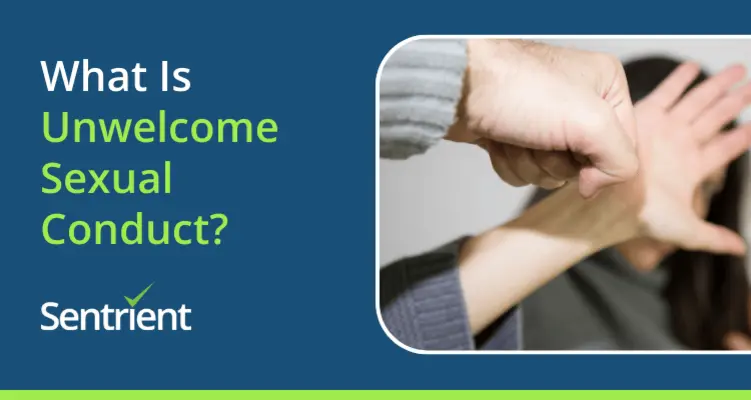
What Is Unwelcome Sexual Conduct?
Unwelcome sexual conduct refers to any unwanted or uninvited sexual behaviour that makes someone feel uncomfortable or unsafe. This can include a wide range of behaviours, from verbal comments to physical touch, and can occur in any setting, including the workplace, school, or social gatherings. Examples of unwelcome sexual conduct include, but are not limited […]
MOST POPULAR POSTS