
Why Does Intent Not Matter in Sexual Harassment Cases
Why does intent not matter in sexual harassment cases? Because intention is not one of the elements of the definition.
The test asks whether the conduct was unwelcome, whether it was of a sexual nature, and whether a reasonable person would have anticipated the possibility of offence, humiliation or intimidation. Nothing in that turns on what the person meant.
This is the single most common misunderstanding raised in response to a complaint. It was just a joke. I did not mean anything by it. She knew I was not serious. None of it answers the question being asked.
Intention is not entirely irrelevant. It can matter to what a fair outcome looks like once the conduct is established. It does not decide whether the conduct occurred.
The Australian Human Rights Commission publishes guidance. This is general information rather than legal advice, and obligations vary by state and territory.
See Sentrient’s sexual harassment course for managers and code of conduct training.
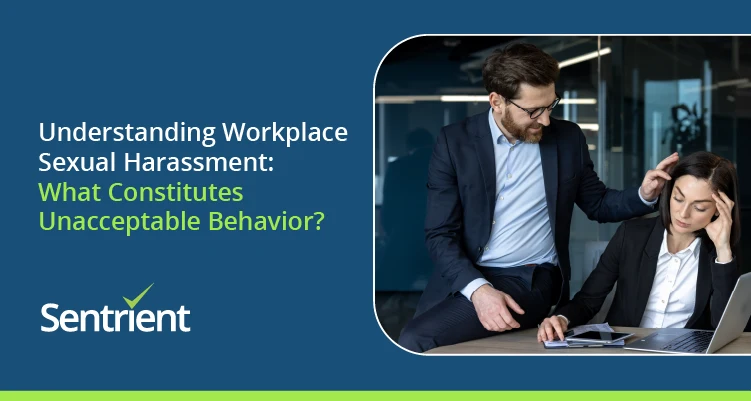
Understanding Workplace Sexual Harassment: What Constitutes Unacceptable Behaviour?
Workplace sexual harassment continues to be a significant challenge for Australian organisations despite increased awareness and stronger legislation. Many employees experience inappropriate behaviour that goes unaddressed – either because they don’t recognise what constitutes harassment or because workplace culture discourages reporting. This comprehensive guide unpacks what sexual harassment looks like in Australian workplaces, the legal […]
MOST POPULAR POSTS