Why Is Manual Handling Training Important
Why is manual handling training important when technique sits low in the hierarchy of control? The answer is not really about technique.
The value is hazard recognition. A worker who understands force, posture, repetition and duration can look at a task and say why it is a problem, in terms an employer can act on. Without that language they report that something is heavy, which is easy to dismiss.
Trained workers also change what they report. Hazard reports go up, near-miss reporting improves, and problems surface while they are still cheap to fix rather than after someone is injured.
That reframes what the training is for. It is not primarily teaching people to lift. It is giving them the vocabulary to describe an unsafe task and the confidence that saying so is worthwhile.
Safe Work Australia covers the training duty. This is general information rather than legal advice, and obligations vary by state and territory.
See Sentrient’s manual handling course and learning management system.
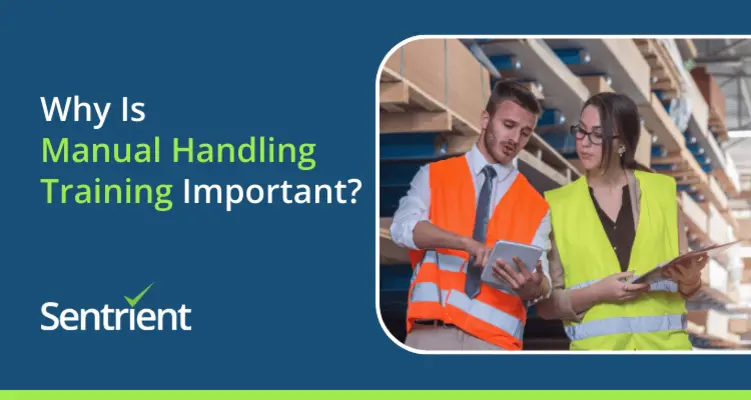
Why Is Manual Handling Training Important?
Does your workplace involve employees lifting, moving, or using force to carry heavy loads? If yes, the next question is, are you educating your employees on how to accomplish these manual handling jobs efficiently and safely? If the answer is no, this blog will help you understand why Manual Handling training is important. Let’s begin […]
MOST POPULAR POSTS