
Understanding Phishing Attacks
Understanding phishing attacks starts with dropping the idea that they look wrong. Many are now well written, correctly branded and plausible.
The structure is consistent. A pretext that fits the recipient’s job, so an invoice for accounts or a document share for a project team. A reason it must happen now, which stops the recipient checking. A destination that captures a credential or a payment. And often a follow-up, because the second message from the same thread carries more trust.
The tell is rarely in the writing. It is in the request. Something about money, credentials or access, arriving with urgency, through a channel that skips the normal process.
Train people on the shape of the request rather than the quality of the spelling.
The Australian Cyber Security Centre publishes phishing guidance. This is general information rather than legal advice, and obligations vary by state and territory.
See Sentrient’s cyber security training course and internet and social media course.
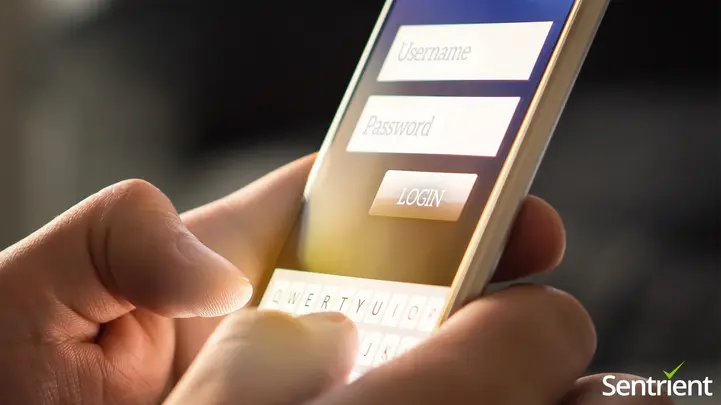
Understanding And Preventing Phishing Scams
Phishing scams are a type of cyber-attack where a cybercriminal attempts to trick a victim into providing sensitive information, such as login credentials or financial information, by posing as a reputable entity. These scams can take many forms, including email, text messages, and social media, and they are becoming increasingly sophisticated and challenging to detect. […]
MOST POPULAR POSTS